
 08037735952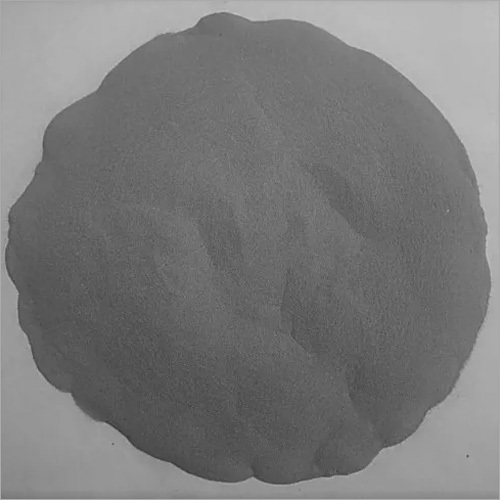
Zinc Dust (240 MESH)
Product Details:
X
Zinc Dust (240 MESH) Price And Quantity
- 1 Ton
Zinc Dust (240 MESH) Trade Information
- Kolkata
- 5-7 Days
- Yes
- Within a certain price range free samples are available
- MS Drums
- All India
Product Description
| Chemical Name | Zinc (Dust Form), Zn |
| CAS Number | 7440-66-6 |
| E.U. Index | 030-002-007 |
| Melting Point | 419 |
| Boiling Point | 907 |
| Solubility | Insoluble in water |
| Toxicological Information | Avoid inhalation, eye contact, skin contact, and ingestion. |
| Personal Protection | Wear eye protection glasses, mask, gloves, and boots while handling. |
| Fire Fighting Methods | Use dry chemical, CO, sand, dolomite, etc. Water or halogenated extinguishing media must NOT be used. |
| Hazard Information | Avoid formation of dust clouds, which may present a dust explosion hazard in the presence of an ignition source. |
| Handling | Keep away from heat, sparks, and open flame. Containers must be kept tightly closed. Product oxidizes slowly when exposed to air. |
| Packaging | HDPE drums with double poly-lined bags inside. Silica gel inside drums and bags (optional). Custom packaging available upon request (terms & conditions apply). |
| Storage | Store in a cool, dry, well-ventilated place away from fire, sparks, and incompatible substances. |
| Shelf Life | Sensitive to moisture. Exposure to open air or humid conditions after unsealing will reduce shelf life. |
Technical Details 
Versatile Industrial Applications
Zinc Dust (240 MESH) is valued in numerous sectors due to its unique properties. Commonly used in paints and coatings, it provides excellent anti-corrosive qualities. It's also essential in lubricants, textile printing, and as a laboratory reagent, making it a must-have for various industrial processes. Its fine particle size and purity optimize usability and product performance.
Optimal Storage and Handling
Maintaining the quality of Zinc Dust is straightforward. The powder should be stored at room temperature in a cool, dry place to ensure its 12-month shelf life. As it is insoluble in water, accidental moisture contact is not a concern, but proper handling minimizes clumping and exposure to air to uphold quality standards.
FAQ's of Zinc Dust (240 MESH):
Q: How should Zinc Dust (240 MESH) be stored to maintain its shelf life?
A: Zinc Dust should be kept in a tightly sealed container at room temperature, away from moisture and direct sunlight, to preserve its quality for up to 12 months.Q: What is the recommended usage of Zinc Dust in industrial applications?
A: Zinc Dust is primarily utilized in paints and coatings for its anti-corrosive properties, as well as in lubricants, textile printing, and laboratory reagents, enhancing product longevity and performance.Q: When can Zinc Dust be incorporated into manufacturing processes?
A: It can be introduced at various stages, typically during the formulation of paints, lubricants, or printing compounds, following specific process requirements for each application.Q: Where is this grade of Zinc Dust produced and exported from?
A: This Zinc Dust (Grade: 240) is manufactured, exported, and supplied by companies based in India, serving clients both domestically and internationally.Q: What is the process for applying Zinc Dust in paint manufacturing?
A: Zinc Dust is mixed into paint formulations to provide corrosion resistance, requiring thorough blending to evenly distribute the fine powder for optimal results.Q: What are the benefits of using this Zinc Dust in coatings?
A: The primary benefit is its ability to inhibit corrosion and extend the lifespan of coated surfaces. Its purity and fine mesh size ensure effective coverage and chemical functionality.Tell us about your requirement

Price:
Quantity
Select Unit
- 50
- 100
- 200
- 250
- 500
- 1000+
Additional detail
Mobile number
Email

Other Products in 'Zinc Dust' category

PINKTO CHEMICALS
ISO 9001 | 15001 | 45001
ISO 9001 | 15001 | 45001
Address
- 28 (Old Holding no 455), BT Road, P.O. Sukchar, 24 Pgns(N), Kolkata - 700115, West Bengal, India
- Phone :08037735952
- Mr Rushvir Singh (Director)
- Mobile :08037735952
- Send Inquiry
 Send Inquiry
|

 |
PINKTO CHEMICALS
All Rights Reserved.(Terms of Use) Developed and Managed by Infocom Network Private Limited. |
