
 08037735952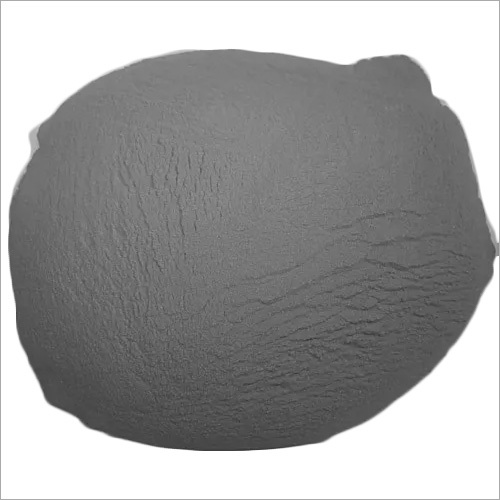
Zinc Dust (ZD-AB)
Product Details:
X
Zinc Dust (ZD-AB) Price And Quantity
- 1 Ton
Zinc Dust (ZD-AB) Trade Information
- Kolkata
- 5-7 Days
- Yes
- Within a certain price range free samples are available
- MS Drums
- All India
Product Description
| Chemical Name | Zinc (Dust Form), Zn |
| CAS Number | 7440-66-6 |
| E.U. Index | 030-002-007 |
| Melting Point | 419 |
| Boiling Point | 907 |
| Solubility | Insoluble in water |
| Toxicological Information | Avoid inhalation, eye contact, skin contact, and ingestion. |
| Personal Protection | Wear eye protection glasses, mask, gloves, and boots while handling. |
| Fire Fighting Methods | Use dry chemical, CO, sand, dolomite, etc. Water or halogenated extinguishing media must NOT be used. |
| Hazard Information | Avoid formation of dust clouds, which may present a dust explosion hazard in the presence of an ignition source. |
| Handling | Keep away from heat, sparks, and open flame. Containers must be kept tightly closed. Product oxidizes slowly when exposed to air. |
| Packaging | HDPE drums with double poly-lined bags inside. Silica gel inside drums and bags (optional). Custom packaging available upon request (terms & conditions apply). |
| Storage | Store in a cool, dry, well-ventilated place away from fire, sparks, and incompatible substances. |
| Shelf Life | Sensitive to moisture. Exposure to open air or humid conditions after unsealing will reduce shelf life. |
Zinc Dust (AB)
1. Mesh 300
2. Appearance Fine Grey Powder
3. Total Zinc 94+-2%
High-Purity Zinc Dust for Industrial Excellence
Our Zinc Dust (ZD-AB) boasts a guaranteed minimum purity of 94%, ensuring dependable results in every application. The fine grey powder is produced under stringent quality standards, making it suitable for industries such as paints, lubricants, and textiles. Its excellent physical and chemical properties support its use as a surface treatment agent and laboratory reagent.
Versatile Applications across Industries
Zinc Dust (Grade AB) is an essential material for manufacturers in the paint, lubricant, and textile sectors. Its unique properties, such as insolubility in water and a high melting point, make it ideal for industrial processes requiring reliable and stable zinc sources. The powder form facilitates easy mixing, blending, and application.
Safe Handling and Storage Guidelines
For maximum shelf life and safety, store Zinc Dust (ZD-AB) at room temperature in a dry, airtight container. Its non-reactive, insoluble nature simplifies handling, yet proper precautions are advised to prevent inhalation or direct contact. Always consult material safety data for detailed storage and disposal recommendations.
FAQ's of Zinc Dust (ZD-AB):
Q: How is Zinc Dust (ZD-AB) typically used in the paint industry?
A: Zinc Dust (ZD-AB) is employed in the paint industry for anti-corrosive and protective coatings, where its fine powder form and high purity offer effective surface treatment and enhanced durability for finished products.Q: What benefits does Zinc Dust (Grade AB) offer for industrial applications?
A: Its high purity, insolubility in water, and consistent physical form deliver excellent chemical stability and applicability. These benefits make it reliable for manufacturing, surface treatments, and laboratory analyses.Q: When should Zinc Dust (ZD-AB) be stored to maintain its optimal shelf life?
A: Zinc Dust should be stored in a cool, dry place at room temperature inside a properly sealed container to preserve its quality and extend its shelf life up to one year.Q: Where can Zinc Dust (ZD-AB) be sourced in India?
A: As a leading exporter, manufacturer, and supplier, we provide Zinc Dust (ZD-AB) to various industries across India, ensuring timely delivery and dependable supply chains.Q: What is the process for using Zinc Dust in textile printing?
A: In textile printing, Zinc Dust is integrated into printing compounds to enhance specific print properties, offering improved durability and coloration. It should be blended according to recommended proportions based on the application.Q: How should Zinc Dust (ZD-AB) be handled for safety during industrial use?
A: Always use appropriate personal protective equipment such as gloves and masks when handling Zinc Dust to avoid inhalation and skin contact. Ensure proper ventilation in work areas to uphold safety standards.Tell us about your requirement

Price:
Quantity
Select Unit
- 50
- 100
- 200
- 250
- 500
- 1000+
Additional detail
Mobile number
Email

Other Products in 'Zinc Dust' category

PINKTO CHEMICALS
ISO 9001 | 15001 | 45001
ISO 9001 | 15001 | 45001
Address
- 28 (Old Holding no 455), BT Road, P.O. Sukchar, 24 Pgns(N), Kolkata - 700115, West Bengal, India
- Phone :08037735952
- Mr Rushvir Singh (Director)
- Mobile :08037735952
- Send Inquiry
 Send Inquiry
|

 |
PINKTO CHEMICALS
All Rights Reserved.(Terms of Use) Developed and Managed by Infocom Network Private Limited. |
