
 08037735952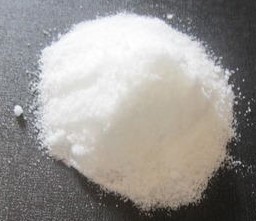
Mercuric Chloride (LR)
Product Details:
X
Mercuric Chloride (LR) Price And Quantity
- 1 Ton
Mercuric Chloride (LR) Trade Information
- Kolkata
- 1 Week
- Yes
- Within a certain price range free samples are available
- All India
Product Description
Mercuric Chloride (Lr)
| Property | Details |
|---|---|
| Chemical Name | Mercury(II) Chloride (HgCl) |
| CAS Number | 7487-94-7 |
| E.U. Index | 28-34-48/24/25-50/53 |
| Melting Point | 277 deg C |
| Boiling Point | 302 deg C |
| Appearance | White crystalline powder |
| Toxicological Information | Highly toxic. Avoid inhalation, eye contact, skin contact, and ingestion. |
| Personal Protection | Wear eye protection glasses, mask, gloves, and boots while handling. |
| Fire Fighting Methods | Water spray, carbon dioxide, dry chemical powder, or appropriate foam. |
| Hazard Information | Emits toxic fumes under fire conditions. |
| Handling | Keep away from heat, sparks, and open flame. Containers must be kept tightly closed. Product oxidizes slowly when exposed to air. |
| Packaging | HDPE drums with double poly-lined bags inside. Custom packaging available upon request (terms & conditions apply). |
| Storage | Store in a cool, dry, well-ventilated place away from fire, sparks, and incompatible substances. Keep tightly closed. Light and moisture sensitive. |
| Shelf Life | Sensitive to moisture. Exposure to open air or humid conditions after unsealing will reduce shelf life. |
Physical/Chemical Properties
Appearance Physical State: Solid
| Property | At Temperature or Pressure | Value |
|---|---|---|
| Molecular Weight | - | 271.5 AMU |
| Boiling Point (BP) | 760 mmHg | 302 deg C |
| Melting Point (MP) | - | 277 deg C |
| Vapor Pressure | 236 deg C | 1.3 mmHg |
| Specific Gravity / Density | - | 5.44 g/cm3 |
STABILITY
- Stable: Stable
- Conditions to Avoid: Light. Moisture
- Materials to Avoid: Strong oxidizing agents, Strong bases.
HAZARDOUS DECOMPOSITION PRODUCTS
- Hazardous Decomposition Products: Mercury/mercury oxides.
HAZARDOUS POLYMERIZATION
- Hazardous Polymerization: Will not occur
TOXICOLOGICAL INFORMATION
ROUTE OF EXPOSURE -
- Skin Contact: Causes burns.
- Skin Absorption: May be fatal if absorbed through skin
- Eye Contact: Causes burns.
- Inhalation: Material is extremely destructive to the tissue of the mucous membranes and upper
- respiratory tract. May be harmful if inhaled
- Ingestion: May be fatal if swallowed.
REGULATORY INFORMATION
- EU DIRECTIVES CLASSIFICATION
- Symbol of Danger: T+-N
- Indication of Danger: Very toxic. Dangerous for the environment
Assay (as purity) after drying: 98.5%
Technical Details 
Diverse Applications in Industry
Mercuric Chloride (LR) serves multiple industrial sectors. Its uses range from agriculture, where it acts as a pesticide and fungicide, to photography, in which it aids film processing. Laboratories utilize it as a reagent due to its reliable composition and high purity. The compound's versatility makes it a valuable asset across chemical, photography, and agricultural industries.
Strict Quality and Purity Standards
With a purity of 98.5% and manufactured under stringent laboratory reagent (LR) standards, this product delivers consistent results. It is produced by experienced exporters and suppliers in India, ensuring every batch meets specific industrial and laboratory criteria for performance and safety.
FAQ's of Mercuric Chloride (LR):
Q: What industrial processes commonly use Mercuric Chloride (LR)?
A: Mercuric Chloride (LR) is utilized in various industrial processes, such as serving as a laboratory reagent, a pesticide and fungicide in agriculture, and as a component in photographic film development.Q: How should Mercuric Chloride (LR) be properly stored?
A: Store Mercuric Chloride (LR) in a cool, dry place at room temperature, away from moisture and incompatible substances, and always in tightly closed containers to ensure product integrity and safety.Q: Where can Mercuric Chloride (LR) be applied in the laboratory setting?
A: In laboratories, Mercuric Chloride is used as a reagent in analytical chemistry for qualitative and quantitative analysis, benefiting from its high purity and consistent physical properties.Q: What are the main benefits of using Mercuric Chloride (LR) in industrial applications?
A: The main benefits include its effective performance as a pesticide and fungicide, precision as a laboratory reagent due to its high purity, and utility in producing high-quality photographic films.Q: When should safety precautions be taken during the handling of Mercuric Chloride (LR)?
A: Safety precautions must be observed during all stages of handling, as Mercuric Chloride is toxic. Use personal protective equipment and follow relevant safety guidelines at all times.Q: How can Mercuric Chloride (LR) be sourced from manufacturers and suppliers in India?
A: You can obtain Mercuric Chloride (LR) by contacting reputable manufacturers, exporters, and suppliers in India who specialize in high-grade laboratory chemicals and provide reliable global shipping options.Tell us about your requirement

Price:
Quantity
Select Unit
- 50
- 100
- 200
- 250
- 500
- 1000+
Additional detail
Mobile number
Email

Other Products in 'Mercuric Chloride' category


PINKTO CHEMICALS
ISO 9001 | 15001 | 45001
ISO 9001 | 15001 | 45001
Address
- 28 (Old Holding no 455), BT Road, P.O. Sukchar, 24 Pgns(N), Kolkata - 700115, West Bengal, India
- Phone :08037735952
- Mr Rushvir Singh (Director)
- Mobile :08037735952
- Send Inquiry
 Send Inquiry
|

 |
PINKTO CHEMICALS
All Rights Reserved.(Terms of Use) Developed and Managed by Infocom Network Private Limited. |
